Nail Fungus
Nail Fungus Treatment Articles
wpa9a4d16f.png
wp5a479ac7.png

Disclaimer


This site is designed for information purposes only. It is not to substitute for medical advice provided by your physician or other medical professional. You should not use the information contained herein for diagnosing or treating a health problem or disease, or prescribing any medication. If you have suspect that you have medical problem, promptly contact your physician or health care provider.

Copyright © 2007 - 2010  Toe-Nails-Fungus.com  All Rights Reserved   

Nail Fungus and Toenail Fungus Treatment 2010


Useful Resources


“When a nail infection develops, the most common cause is a fungus. More frequent on the toenails than on the fingernails, fungal nail infections affect about 12% of all Americans.” AAD


“Onychomycosis means fungal infection of the nail. It is the most common disease of the nails and constitutes about a half of all nail abnormalities.” Wikipedia


“An infection of nail fungus occurs when fungi infect one or more of your nails. A nail fungal infection may begin as a white or yellow spot under the tip of your fingernail or toenail.” MayoClinic

wpa9a4d16f.png

Why is Nail Fungus Tough to Beat?


Fungal infection or mycosis is a condition that commonly affects the skin and the lungs. The infecting agent, fungi, spreads around through tiny spores in the air that we inhale or fall on our skin. Most are harmless except when they fall on people who are susceptible to infection.


How Nail Fungus Occurs


Nail fungal infection occurs when fungus called dermatophytes invades the skin through a tiny cut in the nail bed, usually caused by trauma to the nail. People are often unaware of such cuts which can be brought about by constant pressure of the shoes against the toenails or due to ingrown nails among others.


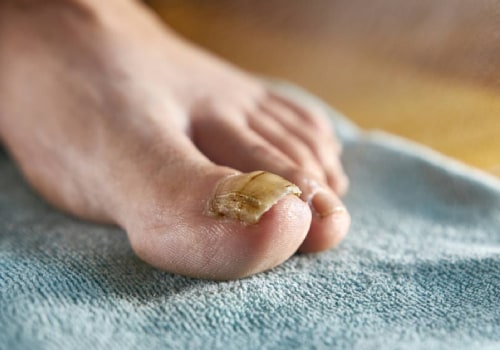
The initial sign of infection is white or yellow spots or streaks usually under the tip of the nail. The discoloration grows and the nail eventually thickens and becomes flaky or brittle. Sometimes the infected nail can cause pain.  


Nail Fungus Treatment

Nails are Breeding Grounds of Fungus


Fungus thrives in moist and dark places. The foot is one such likely host of fungus. That is why people who have sweaty feet are more likely to develop the disorders. But not all are prone to fungal infection. People with weak immune system or with poor blood circulation are more likely to acquire the disease than others.  


Of all the different types of cutaneous and subcutaneous mycoses, nail fungus is arguably the toughest disorder to beat. The reason for this is that the nail plate often shields fungus from sunlight and can trap in moisture, thus making it a viable host. In addition, it prevents topical medication from getting directly onto the source of infection.


That is why some people believe that the extreme measure of surgical removal of the infected plate seem to be the most effective solution to the problem. This is however insufficient in itself since it does not destroy the root cause of the disease which is the fungus that continues to reside well beneath the nail bed. An antifungal agent still needs to be administered orally or topically for a prolonged period of time.


The Likelihood of Re-Infection


There are many forms of nail fungus treatment available in the market without any absolute guarantee of permanently destroying the infecting agent. There is a likelihood of re-infection for 20% of patients that have taken some form of medication  


For this reason, people who have had nail fungus infection are advised to take the necessary extra precaution.  


-  Build your antibodies by eating healthy and exercising regularly. Eat especially foods that have high resistance against fungus such as yogurt.


-  Keep away from sources of fungal infection by protecting your bare feet from floors of public pools, baths, showers and gyms. Also avoid sharing towels and footwear with other people.


-  Use well-ventilated and properly fitted footwear. Take care not to put pressure on your toenails.


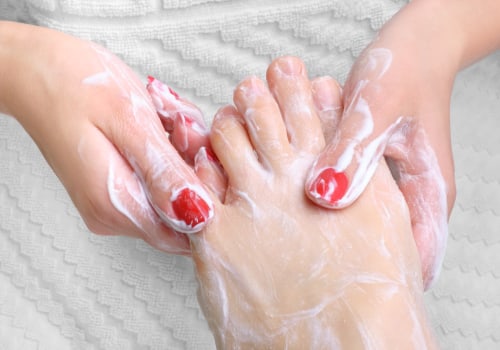
-  Clean your hands and feet thoroughly using antifungal soap and dry completely afterwards. Also use antifungal powder on your feet and in your shoes.


-  Make sure that your nail care provider uses hygienic utensils. And cut across the nails as straight as possible to prevent ingrown nails.  


-  Wash your hands thoroughly after treating or touching an infected nail.


Why is Nail Fungus Tough to Beat?